A successful PR strategy today requires a careful mix of media types to ensure maximum reach, impact, and engagement.
This includes paid, owned, and earned media.
💡 Read Digital PR Explained: Best Strategies and Tools
In this post, we’ll break down these three critical media types, how they complement each other, and how to balance them all for the best success.
Understanding Paid, Owned, and Earned Media
Here’s a brief overview of paid, owned, and earned media to help you get started.
What Is Paid Media?
Paid media is any media exposure you pay for. This includes advertisements, sponsored posts, influencer marketing, and paid partnerships.
Paid media allows you to control when and how your content reaches your target audience. It often delivers quick, measurable results.
Look at this sponsored post by Comcast Business for the Utah Business Magazine. These posts are great examples of paid media, as they integrate the brand’s message into the publisher’s editorial content.
This ensures a more organic presentation than traditional ads.
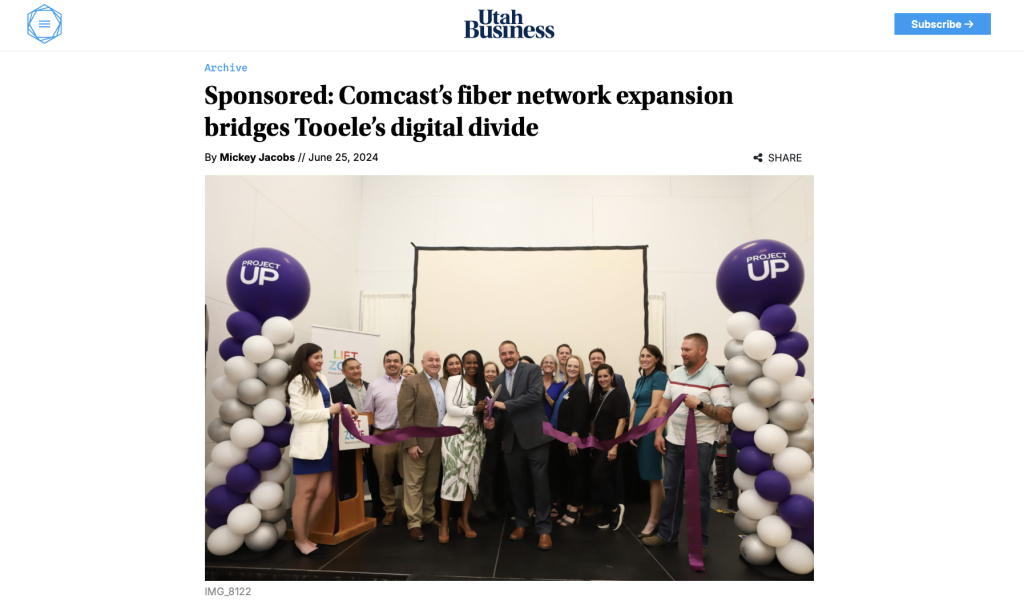
One of the most significant advantages of using paid media is targeting specific demographics to ensure the right message reaches the right people at the right time.
However, paid media can be expensive. Over-reliance on paid channels without balancing other media can lead to ad fatigue.
What Is Owned Media?
Owned media is any content or channels that your company controls directly. This includes your website, blog, email lists, and social media pages.
Because you have complete ownership, you fully control the messaging, design, and timing of the content that goes live on these platforms.
The key benefit of owned media is that it’s a long-term investment. Unlike paid media, which generates immediate results, owned media builds slowly over time but can deliver significant value as it grows.
Why? Because it helps engage your audience. In fact, according to HubSpot’s State of Marketing Report, one in three media planners say that using content to engage with their audience is a top strategic goal.
For example, let’s say you’re a technology company that offers software for sales teams. You can create blog posts that drive traffic to your company website by focusing on trending topics.
For example, AI has been a scorching topic related to improving personalized experiences.
Salesforce has jumped on the bandwagon by focusing blog posts on AI.
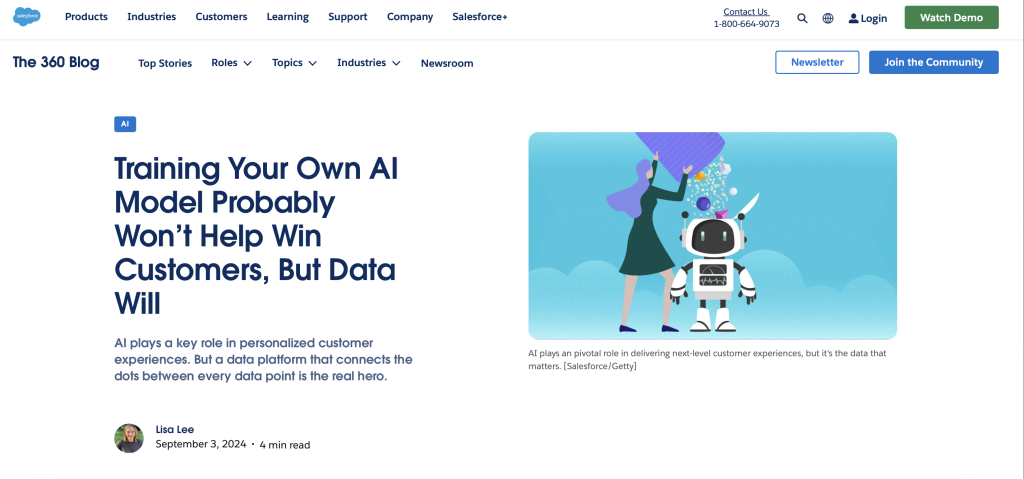
Creating high-quality content can help you increase organic traffic to your site, strengthen your brand, and foster loyalty.
However, it requires consistency, patience, and commitment to truly see long-term results with owned media.
What Is Earned Media?
Earned media is any exposure you gain organically. This is usually through word-of-mouth, press mentions, customer reviews, or social media shares. Unlike paid media and owned media, earned media isn’t something you can directly control.
Instead, it’s the result of customers or media outlets recognizing the value of your brand and choosing to share or promote it voluntarily.
Earned media is arguably the most valuable media type because it brings credibility. When customers recommend your product or a media outlet writes a positive review, it holds more weight than a paid ad.
Let’s look at an example. We already know the NFL is a highly popular sports organization. It’s not surprising that a 2023 survey by Statista found that 75% of the U.S. population were avid fans of pro football.
But how much earned media do you think the League would attract by being associated with pop sensation Taylor Swift?
Girlfriend of Super Bowl XLVIII champion Travis Kelce, Taylor Swift helped boost sales and engagement for the NFL…just by showing up.
People began calling it the “Swift Effect,” as her attendance at one of Kelce’s games led to 27 million in viewership, according to Yahoo! Sports. This was the most for a Sunday night game since the last Super Bowl.
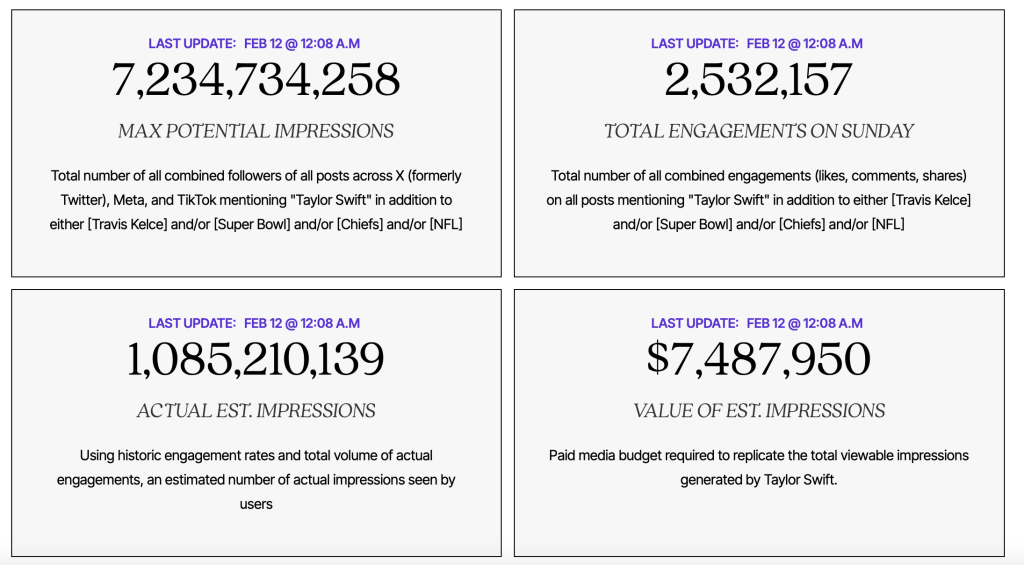
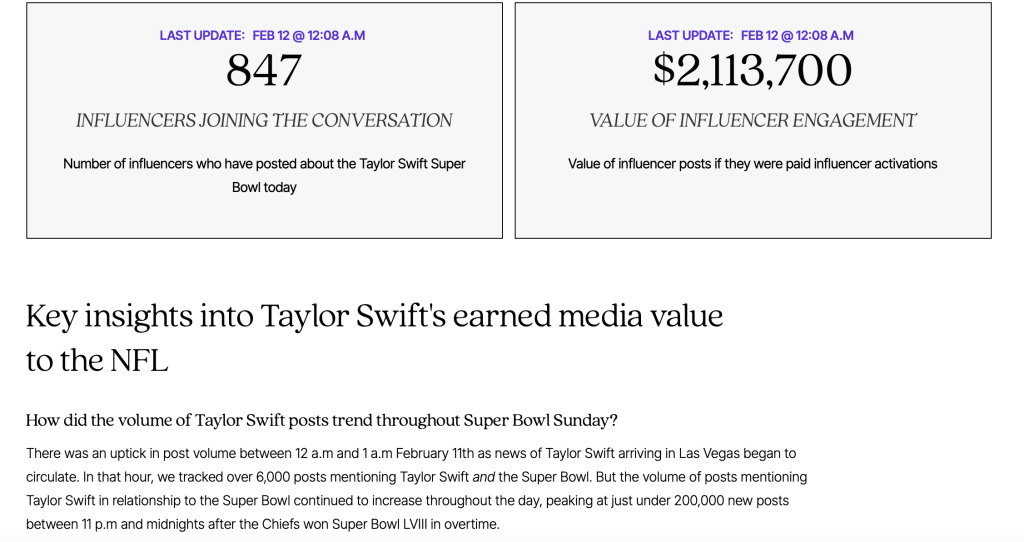
Swift’s influence has been so big that paid ad agency AdVenture even went as far as measuring the earned media revenue the NFL received from the pop singer on Super Bowl Sunday.
These were the results:
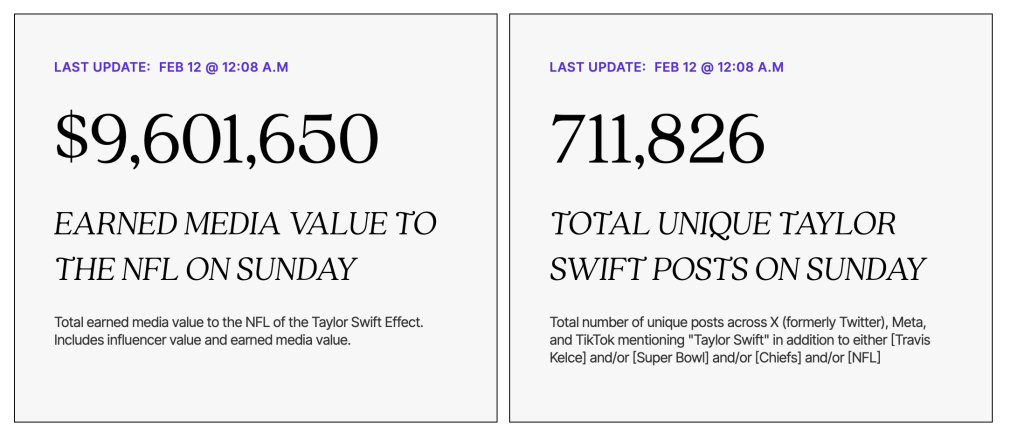
It used social listening data and historical statistics to predict the NFL’s total earned media value of the “Swift Effect.”
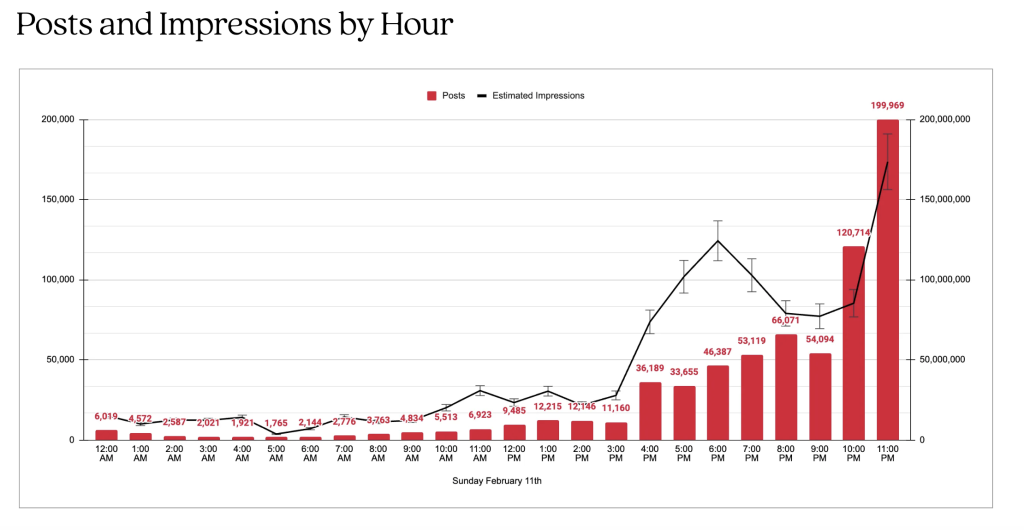
With such incredible results from earned media, how can it have any disadvantages?
Well, it can be unpredictable. While positive mentions are beneficial, you must be prepared to manage any negative press or customer feedback as well.
However, as long as you’re delivering consistently excellent customer experiences, your brand can generate positive earned media to boost trust and reputation.
How to Balance Paid, Owned, and Earned Media
A truly effective media strategy is one that finds the right balance between paid, owned, and earned media.
Each type serves a specific role. And integrating all three allows you to amplify your efforts and maximize results.
Establish Strong Owned Media Channels
Owned media should be the cornerstone of your media strategy. It’s where you have the most control, and it’s the home base for your audience to interact with your brand on your own terms.
So, focus on building a strong digital presence through your website, blog, and social media profiles.
Tips for an effective owned media strategy include:
- Create high-quality evergreen content: Your owned content, such as blogs, guides, and case studies, should offer long-term value.
- Optimize for SEO: Search engine optimization (SEO) helps your owned media gain visibility. Optimize your website and blog content with the right keywords, meta descriptions, and internal linking to improve organic search rankings.
- Engage your audience with social media: YouTube social channels act as another extension of your brand. Use platforms like Instagram, Linkedin, and Facebook to consistently share valuable content and interact with your audience.
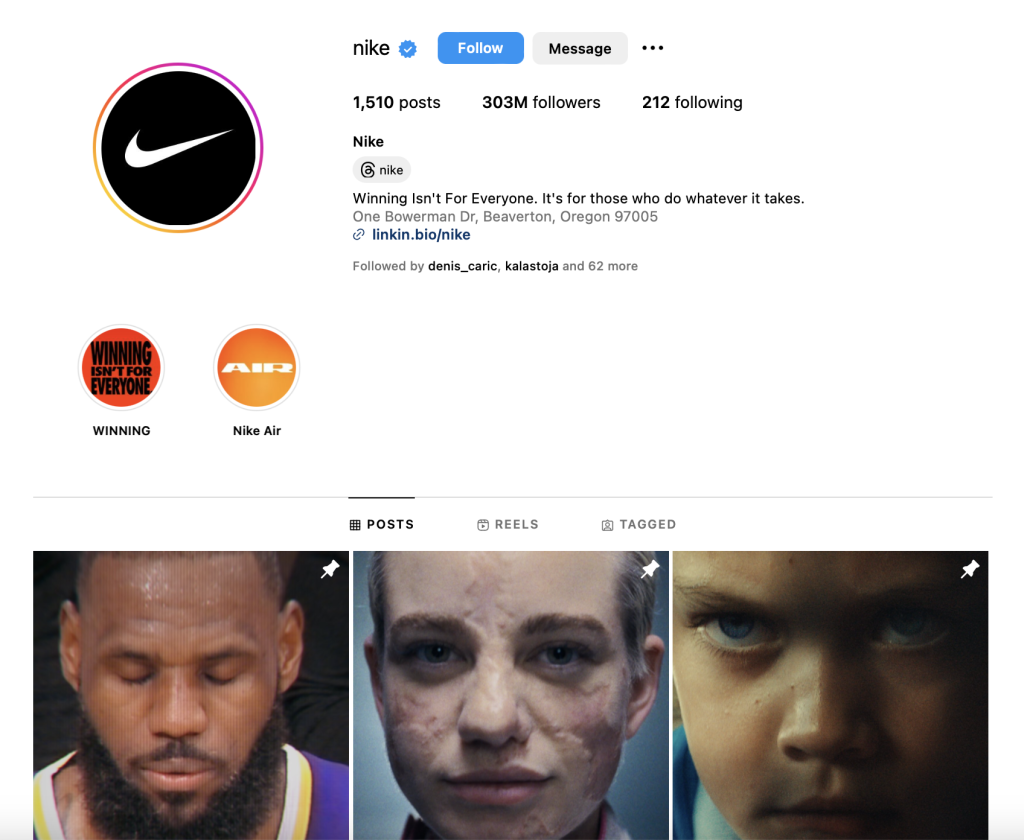
As part of its owned media strategy, Nike uses its Instagram account to promote products and engage with its community through fitness challenges and inspirational stores.
Use Paid Media to Amplify Reach
Paid media works best when you use it strategically to promote your owned content, generate leads, or raise awareness for specific campaigns.
Here are some strategies for successful paid media:
- Target the right audience: Paid media’s biggest advantage is precise audience targeting. Platforms like Facebook Ads and Google Ads allow you to segment audiences based on factors like age, location, interests, and even past behavior.
- Retarget interested users: Use retargeting to reach users who have interacted with your owned media but haven’t converted. For example, if a lead visited your website but didn’t make a purchase, use retargeting ads to encourage them to come back and make a purchase. This can help increase the chances of conversion.
- Leverage paid partnerships: Collaborate with influencers or industry partners to promote your content through paid posts.
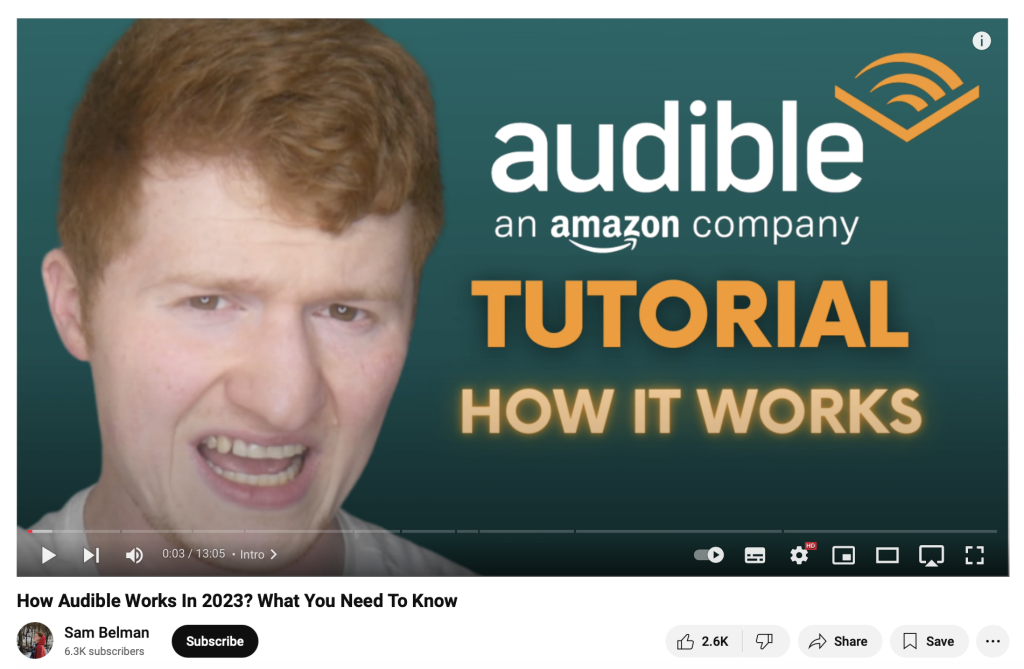
Audible frequently partners with influencers to introduce its service to new audiences via sponsored content on YouTube and Instagram.
Encourage Earned Media for Authenticity and Trust
Third-party validation drives earned media, which makes it more trustworthy in the eyes of consumers.
But you can’t directly control earned media, so the focus should be on delivering exceptional experiences that naturally lead to positive reviews, mentions, and shares.
Some tips for generating earned media:
- Foster relationships with customers: Earned media often comes from happy customers who become brand advocates. Engage with your customers through excellent customer service and personalized experiences
- Encourage user-generated content: Amplify your presence by encouraging customers to share their experiences online.
- Leverage public relations: A proactive PR strategy can help generate media mentions.
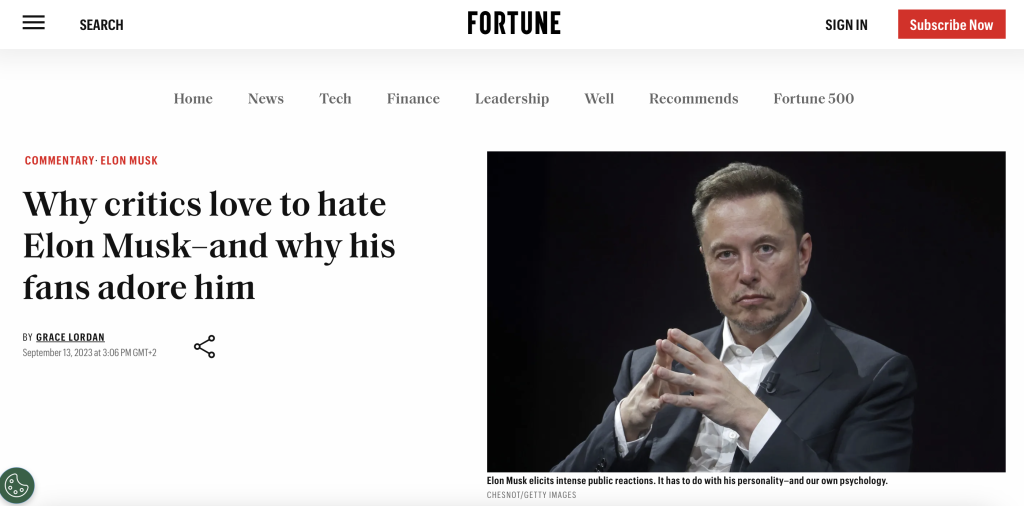
Tesla thrives on earned media. The brand spends very little on traditional advertising but generates massive attention through media coverage and word-of-mouth.
Its CEO, Elon Musk, regularly appears in news stories and discussions, which drives organic exposure for the brand.
Create Synergy Between Paid, Owned, and Earned Media
To balance these media types, make them work in tandem rather than as separate, siloed efforts.
Ensure your paid, owned, and earned media strategies complement each other and create a holistic marketing ecosystem.
To create synergy:
- Use paid media to drive earned media: Paid campaigns can help generate buzz that leads to earned media. For example, Old Spice’s viral “The Man Your Man Could Smell Like” campaign started as a paid video ad but gained massive earned media through social media shares, memes, and media coverage.
- Promote owned content with paid media: Paid ads can amplify your owned media’s reach by driving traffic to your website, blog, or social media profiles. For example, if you publish a new whitepaper, you can run a LinkedIn ad campaign targeting professionals in your industry.
- Leverage earned media to strengthen paid and owned efforts: You can integrate positive reviews and customer testimonials into your paid and owned media to build trust. For example, featuring a glowing media review on your homepage or using customer testimonials in ads helps establish credibility and drive conversions.
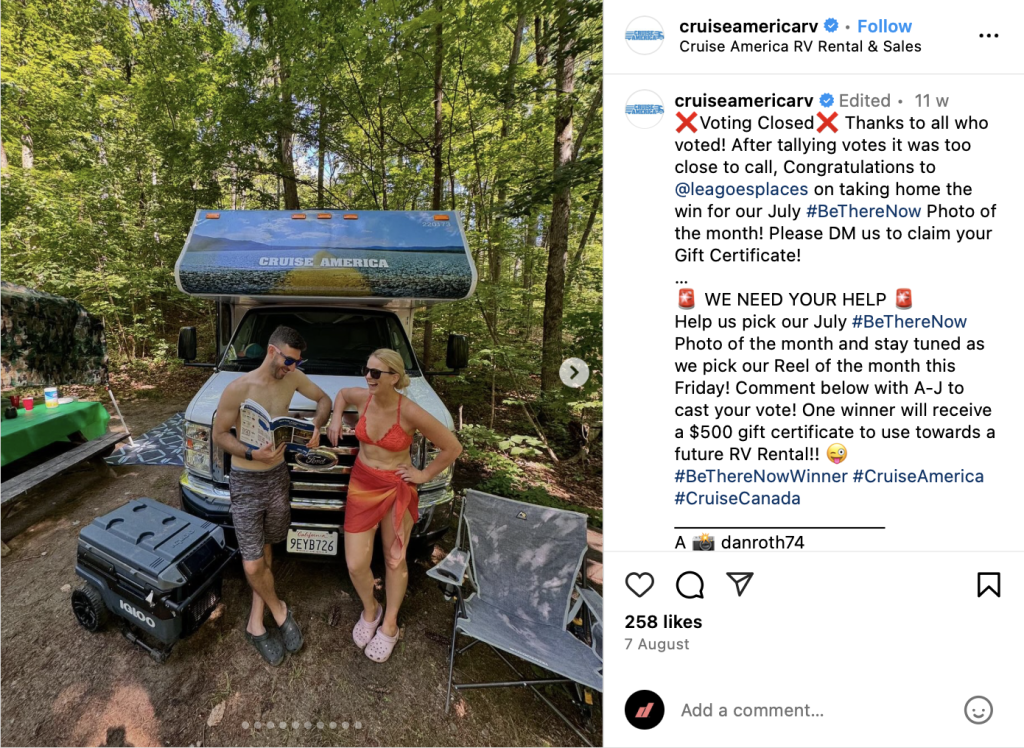
Cruise America, a leading provider of RV rentals in Las Vegas, exemplifies this balance. To boost their earned media, they run paid ads targeting vacationers, maintain a content-rich website showcasing rental options, and encourage customer reviews and social media mentions via giveaways, contests, etc.
By integrating all three media types, Cruise America successfully builds a cohesive and impactful marketing strategy, ensuring long-term success.
Strengthen Your Brand With a Comprehensive Media Strategy
Maximize your marketing efforts with the right mix of paid, owned, and earned media.
Paid media allows for immediate reach, owned media builds long-term relationships, and earned media fosters credibility and trust.
Integrating these three types of media can help you create a powerful, cohesive brand image and reputation.
No matter what type of media you leverage, just make sure you’re measuring results and monitoring mentions and sentiment. Determ can help.
An AI-powered media monitoring tool, Determ makes it easy to prove the value of your PR efforts. Get started today to experience the Determ difference.


