Love it or hate it, social media is here to stay. What started as a way to share everyday moments has transformed into a central part of modern life—a place where we find entertainment, breaking news, viral trends, and endless opportunities for connection.
💡 Read Creating a Marketing Strategy that Works: Benefits, Steps, Tools
For businesses, social media has become a powerful tool to reach customers and drive growth. With over 5 billion social media users worldwide in 2024 and over 60% of businesses using social media platforms back in 2023 already, social networks have become critical channels for brands to engage with customers and boost sales.
Whether you’re posting regularly, engaging with your audience, or experimenting with trends, the competition for attention is fierce. In 2024, Tiktok alone saw 16,000 new videos uploaded every minute. Social media platforms are, quite literally, flooded with content.
An effective social media campaign can make all the difference in catching your audience’s eye. This goal-driven, strategic effort allows brands to go beyond regular posting, cut through the noise with a clear message, and achieve a specific objective—whether it’s boosting awareness, increasing sales, or building customer loyalty.
The good news? With the right plan and execution, running a successful campaign on social media is entirely within your reach. In this guide, we’ll explain how to craft and execute a winning social media campaign in 2025 and take your brand’s social media presence to the next level.

What is a social media campaign?
A social media campaign is a focused series of activities carried out on social media platforms to achieve a specific objective. At first glance, it may look similar to general social media marketing or day-to-day activities like posting content and engaging with followers. However, the key difference lies in its purpose and structure.
While regular social media efforts aim to maintain a brand’s online presence and serve broad objectives—such as building brand awareness, fostering relationships with customers, or managing online reputation—a social media campaign zeroes in on one clearly defined, measurable goal.
For example, the goal of a social media campaign might be to:
- Promote a new product launch by creating buzz across platforms.
- Drive traffic to a landing page with engaging content and calls to action.
- Increase social media engagement through hashtags, contests, or challenges.
- Boost brand visibility by leveraging trending topics or collaborating with influencers.
Unlike everyday posting, a social media campaign typically runs for a set timeframe, uses tailored content to drive its message home, and relies heavily on data to measure its success.
A great example of a well-executed social campaign is Spotify’s annual “Wrapped” campaign. What started as a simple year-in-review has evolved into a cultural moment, with millions of users eagerly sharing their listening data across social platforms every December. The campaign succeeds by combining personalization, shareability, and perfect timing.

How to plan a social media campaign, step-by-step
Define your objective
It can be tempting to dive straight into brainstorming creative ideas for your social media campaign, crafting engaging messages, or designing eye-catching visuals. While creativity is important, laying a strong foundation is what ensures your campaign stands out and delivers results.
Start with your “why.” What’s the main reason behind your campaign? Are you looking to generate leads, drive sales, boost engagement, or something else? Choosing one clear objective will focus your efforts and make your campaign more effective. While it might be tempting to aim for multiple goals, sticking to a single objective helps you maintain clarity and get the most out of your resources.
Read How To Craft a Winning Social Media Awareness Strategy
Next, make your goal as specific as possible. A general goal like “increase sales” is harder to act on than a focused one like “boost sales of Product X by 20% within three months.” Consider framing your goal as a SMART goal (Specific, Measurable, Achievable, Relevant, Time-bound) to ensure you cover all your bases.
A well-defined goal gives your campaign direction and makes it easier to measure progress. Think about who your audience is, what action you want them to take, and what success will look like when the campaign is complete. This clarity at the start will save time and effort later on, allowing you to focus your creativity where it matters most.

Understand your audience
No successful social media campaign can take off without a deep understanding of your audience. If you don’t know who you’re speaking to, how can you craft messages that truly resonate? Understanding your audience helps you tailor your content to match their interests and needs, choose the right platforms to connect with them, and communicate in a way that feels relevant, authentic, and engaging to them.
Read How to Master Social Media Landscape Analysis
For instance, a younger audience might respond best to fun, fast-paced videos on TikTok, while professionals may gravitate toward thought-provoking content on LinkedIn. Knowing these preferences allows you to create campaigns that meet your audience where they are.
So, how do you get to know your audience? Here are some simple steps to get you there.
Look at the data you already have
Your existing tools are likely a treasure trove of insights. Look into your CRM system or sales records for demographic information, buying trends, and frequently asked questions. Review built-in analytics tools on platforms like Instagram, Facebook, or LinkedIn to see who is engaging with your content, what posts are performing well, and when your audience is most active. For instance, if Instagram Insights shows that your Reels consistently outperform static posts, you might want to prioritize video content in your campaign.

Talk to your team
Your salespeople, customer service agents, or community managers are often on the front lines with your customers. They can offer valuable insights about what customers are asking for, the kind of language they use, and what they value most. Set up a brainstorming session with customer-facing employees, create a short survey to collect feedback, or just grab a coffee with them.
Take a peek at your competitors
Campaigns from brands with a similar target audience can provide useful clues about what might work for you. Look at which platforms they focus on, the types of content they post, and their tone and style. While you shouldn’t copy them, identifying what works for your competitors can help shape your own strategy.
Leverage media monitoring tools
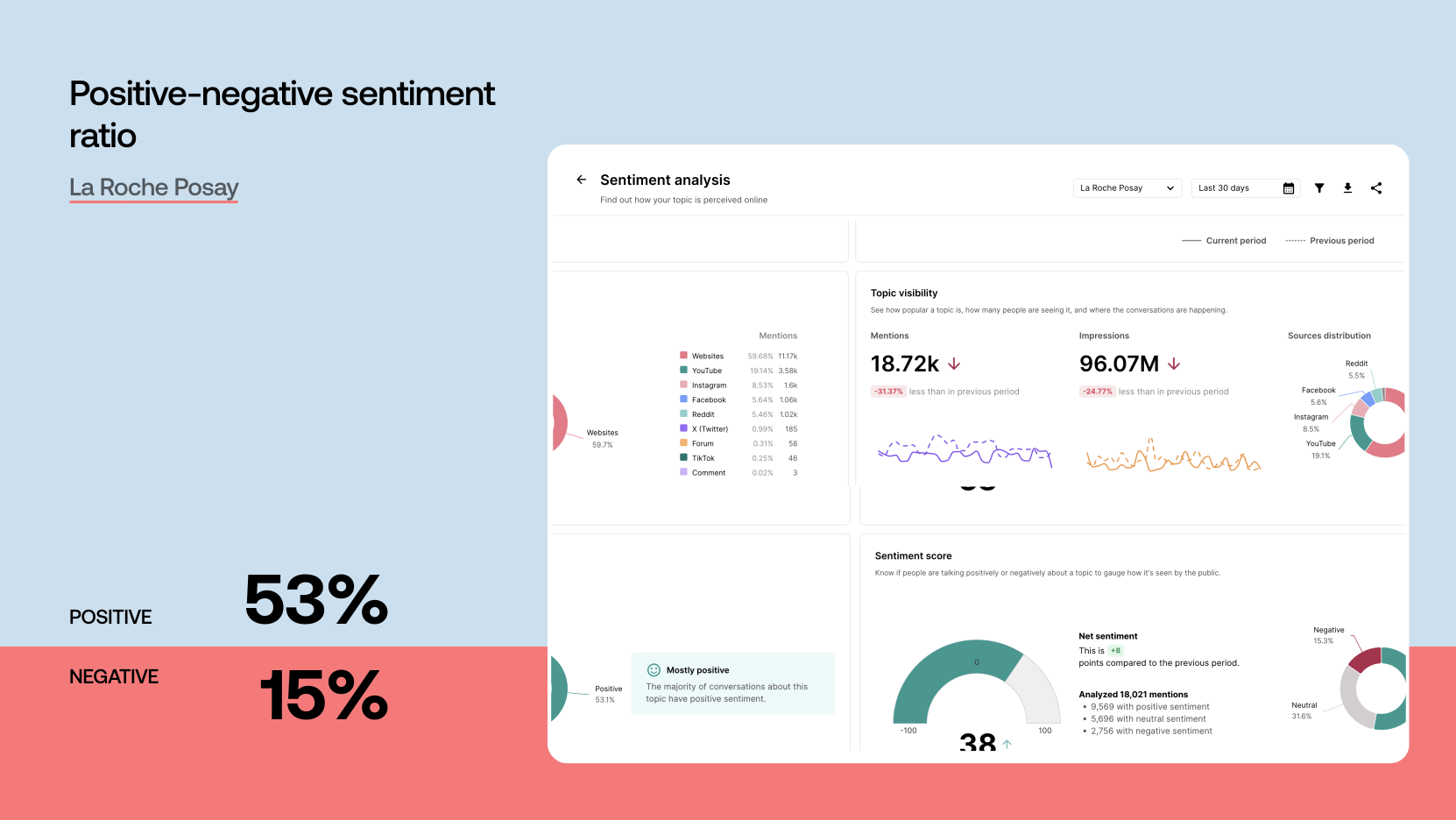
Media monitoring platforms give you real-time insights into how your brand, competitors, and industry are being discussed online. This information can help you identify trending topics, gauge audience sentiment, and discover untapped opportunities. For example, tools like Determ allow you to track keywords, hashtags, and mentions related to your brand or niche. Seeing what people are saying about your business or industry can guide your messaging, helping you address audience concerns or capitalize on popular themes.
The goal here is to understand not just who your audience is, but also where to reach them, what content they enjoy, and what motivates them to take action. The more you know, the easier it becomes to create a standout social media campaign campaign that delivers real results.
Choose the right platforms
Once you’ve got a solid understanding of your audience, the next step is choosing the right platforms to bring your social media campaign to life. By now, you likely have a hunch about where to focus your efforts based on your audience demographics, your past successes with social media, what your competitors are doing, and the insights gathered from media monitoring tools. To refine your choice, here are a few key things to consider:
Go back to your goal
Before you settle on a platform, think about your campaign’s main objective. For example, if you’re aiming to showcase your brand’s personality or run a fun challenge, platforms like Instagram or TikTok, which focus on video formats, could be a great fit. If your goal is to establish thought leadership or connect with professionals, LinkedIn might be your best bet. X (formerly known as Twitter) could be a great choice for campaigns that thrive on real-time updates and word-of-mouth buzz. If your audience is diverse, you may even find that a combination of platforms works best.
Consider the content format
It’s important to think about the content format your audience engages with most. If your audience loves long-form videos, YouTube is going to serve you better than X. Similarly, if your audience enjoys more visual, snackable content like stories or short clips, Instagram or TikTok will be great choices. The key is matching your campaign’s goal with the type of content your audience is already interacting with.

Don’t fall for trends (without consideration)
It’s tempting to hop on the latest social media trend or try out a platform that’s suddenly become popular, but make sure you give it some thought before jumping in. Trends come and go, and just because a platform or trend is getting a lot of attention doesn’t mean it’s right for your brand, audience, or campaign goal. Take a step back and evaluate if it’s truly the right fit before jumping on the bandwagon.
Don’t spread yourself too thin
You might be tempted to take on every platform under the sun, but remember: focus is key. Trying to manage too many platforms at once can leave you with little time to properly engage with your audience or create quality content. It’s often better to concentrate on a few platforms where you know your audience is active and where your social media campaign will have the most impact.
Mind your budget
Let’s be real: budget is always a factor. If you’re working with a limited budget, it might not make sense to go all-in on things like high-tier influencer partnerships or expensive video production. Focus on platforms where you can get the most out of your resources, whether that’s creating organic content or leveraging user-generated content. You don’t want to spend all your budget on one flashy part of your campaign and run out of steam halfway through.
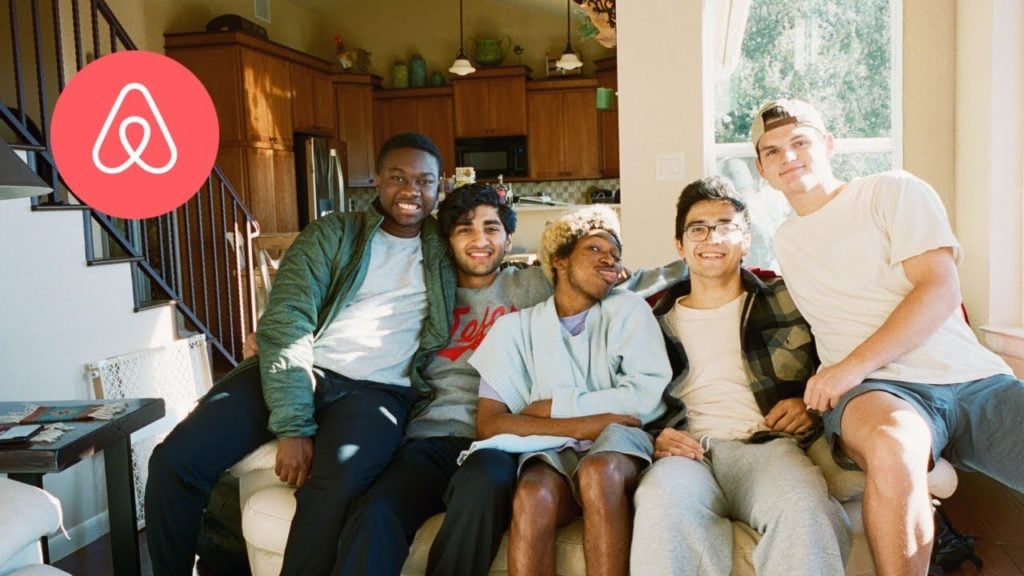
Airbnb’s “Made Possible by Hosts” campaign is a fantastic example of making the most of a tight budget. During the COVID-19 pandemic, when Airbnb’s valuation dropped by over $10 billion and advertising budgets were slashed, they turned to user-generated content from their host community. Using authentic videos from hosts worldwide paired with classic songs that evoke nostalgia, they created a very affordable, but very high-impact campaign.
By taking all these factors into consideration, you’ll be better equipped to choose the platform(s) that will help you hit your goals, connect with your audience, and make the most of your resources.
Create your content
Now that you’ve got your platforms in place, it’s finally time to get creative and focus on the content itself! The right content will keep your social media campaign on-brand, interesting to your audience, and aligned with your goals.
When fleshing out your content, consider these tips:
Align content types with your campaign goals
Even when you’ve narrowed down your options to one or a few platforms, you can still create a wide variety of platform-appropriate content types. Remember: the content you produce should be designed to drive the behaviors that support your campaign’s objective. If you’re aiming for brand awareness, consider creating shareable content like viral challenges or interactive polls. If your campaign is focused on education or thought leadership, long-form videos, tutorials, or infographics might be more effective.
Chipotle’s #GuacDance challenge on TikTok is a beautiful example of successful use of the strengths of short-form videos. The campaign, which asked users to share dance videos celebrating their love for guacamole, became TikTok’s highest-performing branded challenge in the US in 2019, generating 250,000 video submissions and leading to Chipotle’s biggest guacamole day ever—serving over 802,000 sides of guac.

Diversify your content formats
Mixing up content formats keeps your campaign engaging and reaches a wider audience. Use a mix of videos, images, stories, carousels, and even text-based posts. Different content types perform better on different platforms and with different audiences, so variety is key to capturing attention. When planning different formats, keep the strengths of your chosen platforms and user preferences in mind—even the best content piece will fall flat on the wrong channel.
Maintain consistent branding
Every piece of content should be consistent with your brand, its personality, tone, and values. Ensure your visuals, messaging, and campaign elements stay consistent, even if they evolve throughout the campaign. Some brands go as far as adjusting their entire aesthetic—like using specific color schemes, fonts, or taglines—for the duration of the campaign to make a stronger, more memorable impact. This approach helps your social media campaign stick in your audience’s mind and makes it more memorable.
Read 4 Tactics For Social Media Branding + 10 Great Examples
Use a content calendar to stay organized
Plan your content in advance by using a content calendar. This will help you visualize the flow of your campaign, ensure you’re posting consistently, and avoid content overload. Schedule posts ahead of time so your campaign has a rhythm and that you’re not overwhelming your audience (or yourself).

Executing and monitoring your social media campaign
Once your plan is in place and everything is set up, it’s time to launch your campaign and start driving action! Once your social media campaign is live, your job is not done: you need to stay actively involved, track its performance, and adapt as needed to make the most out of it and ensure you hit your goals.

Launch and engage
When your campaign goes live, don’t just sit back and wait for the results. Social media is a two-way street, so get involved in the conversation. Respond to comments, answer questions, and share user-generated content to build excitement and keep the conversation going. Actively keeping up with your audience is what will make your social media campaign feel alive. Keep your tone consistent, stick to your schedule, and stay responsive to build momentum.
Track key metrics
Keep a close eye on how your campaign is performing. The metrics you watch will depend on your objective, but here are some key social media metrics you might want to look at:
- Engagement metrics (likes, shares, and comments) give you insight into how your audience is interacting with your content.
- Follower growth helps you see whether the campaign is attracting new followers and expanding your reach.
- Social media traffic to your website tracks how well your campaign is driving potential customers to your landing pages or product pages.
- Conversions are the ultimate measure of success if your campaign aims for a direct outcome.
Use analytics tools on each platform to track this data in real-time. Platforms like Instagram, Facebook, LinkedIn, and TikTok all have built-in analytics, and tools like Google Analytics or third-party platforms can give you a more in-depth look.
Adjust based on performance
One of the biggest advantages of social media is how quickly you can pivot. If something’s not working, don’t be afraid to change your course. Maybe your audience prefers one format over another, or perhaps the messaging needs a shift. You should always remain open to experimenting within your campaign’s framework. If a specific hashtag or format is driving traffic or engagement, double down on it. Similarly, if certain content isn’t delivering the results you hoped for, tweak it or pull it in favor of more successful formats.
Monitor sentiment
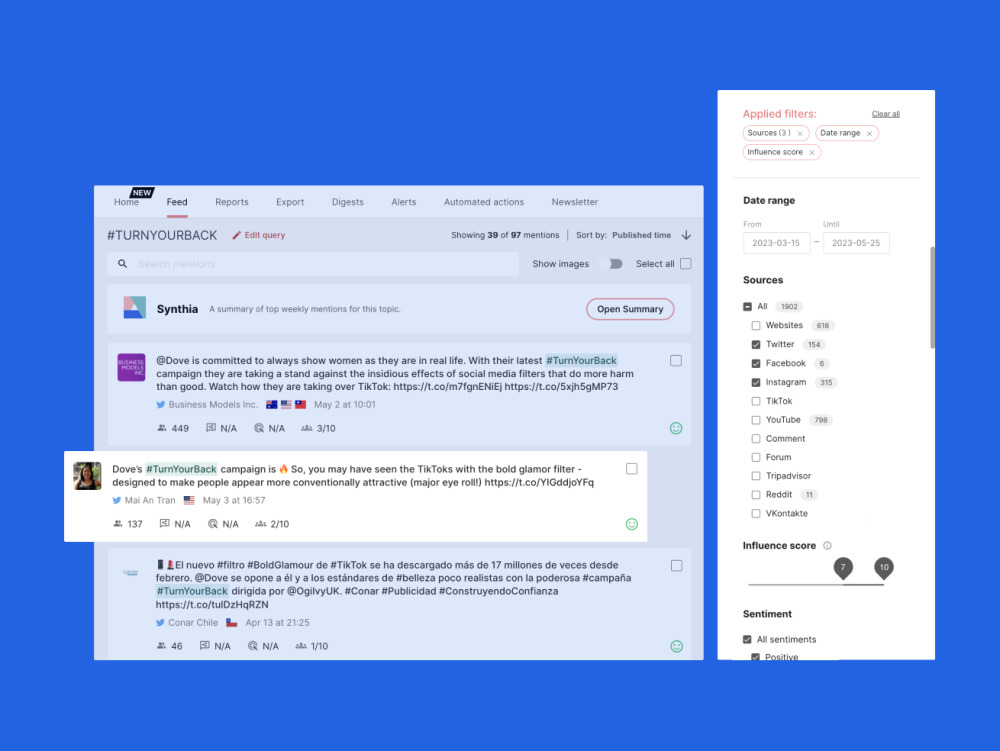
Beyond the numbers, keep an eye on the feedback from your audience online. Are they reacting positively to your content? Are there common questions or concerns? Is there backlash? Use social media monitoring tools to track mentions and gauge sentiment. Listening to your audience’s conversations helps you make adjustments on the fly or identify new opportunities to make your social media campaign stand out.
Conclusion
A successful social media campaign is never the result of chance—it’s the outcome of careful planning, thoughtful execution, and strategic monitoring. From defining your objectives to understanding your audience, choosing the right platforms, crafting impactful content, and staying adaptable throughout the campaign, every step plays a vital role in shaping your results.
Remember, the key to a standout social media campaign isn’t just creativity—it’s focus and alignment. By keeping your goals clear, maintaining consistency in your branding, and engaging with your audience in meaningful ways, you can create a campaign that not only gets noticed by your customers, but also leaves a lasting impression.
Social media is fast-paced, and trends can shift overnight. But by sticking to a data-driven, audience-first approach, you’ll ensure that your campaigns remain relevant and impactful. Whether you’re looking to boost brand awareness, drive traffic, or increase conversions, the strategies you’ve just learned will give you the foundation to craft campaigns that deliver real, measurable results.
Now, it’s time to put this into action. Plan, execute, and monitor with confidence—and watch your social media campaigns unlock new opportunities for growth.
Romina Damijanic writes content for startups. She thinks and types about marketing, people (operations), and tech. Never turns away from a good turn of phrase.


