An effective PR effort may boost reputation, increase brand awareness, and spur corporate expansion. However, depending on the scope, goals, and strategy of the campaign, the price of starting a profitable PR campaign might differ significantly.
Effective planning and budgeting will be facilitated by knowing the key factors that affect PR expenses, regardless of your company’s size.
💡 Read Digital PR Explained: Best Strategies and Tools
We’re going to explore PR, the factors that can affect the cost of a PR campaign, and how much you can expect it to cost.

What is a PR campaign?
A public relations (PR) campaign is a calculated attempt to manage and enhance the public’s opinion of a company, brand, item, or person. Its main objective is to convey key messages to target audiences while building trust and solid stakeholder relationships.
Read 10 Key PR Campaign Metrics for Measuring Campaign Success
Key elements of a PR campaign
- Objectives: The campaign is guided by well-defined objectives, such as managing a crisis, boosting sales, or raising brand awareness.
- Target audience: You gain insights about a specific target audience, including interests, buying patterns, and demographics, which are important to create effective messaging.
- Messaging: Developing clear and compelling messages that resonate with the audience and reflect the brand’s values.
- Tactics: Various tactics can be employed, including:
- Media relations: Working with media, journalists, and more to ensure you get the message out.
- Press releases: Distributing newsworthy information.
- Events: Hosting or participating in events to get the word out.
- Social media: Using platforms such as Instagram and Facebook to make direct connections and engage with your target audience.
- Influencer partnerships: By collaborating with influencers, you can extend your reach.
- Execution: Implementing the campaign according to a measured plan, including timelines and responsibilities.
- Measurement and evaluation: Assessing the campaign’s effectiveness through metrics like audience engagement and media coverage to improve future campaigns.
Overall, PR campaigns are essential for shaping public image, engaging audiences, and achieving business objectives.
What influences PR costs?
Businesses that want to create an effective communication strategy must understand PR pricing elements. Public relations costs vary depending on the services needed, the audience, the campaign’s difficulty, and the agency’s reputation.
Companies can efficiently deploy their PR expenses and maximize ROI by considering these variables.
Consider these key factors:
Campaign scope and goals
PR costs depend on campaign size. Local media campaigns are usually cheaper than national or international ones. A short-term event or product launch campaign will have a different budget than a long-term brand recognition campaign.
Determining the cost requires a clear set of objectives. To achieve broad media coverage, for instance, you might need additional resources for press outreach, media relations, and content production.
Using sophisticated corporate planning and budgeting tools can help you plan and more efficiently manage the costs of your campaigns, ensuring that you stay within your allocated budget.
Many companies find success with a hybrid strategy that maximizes reach by combining traditional and digital PR techniques. Employing modern FP&A AI tools can help businesses optimize their digital PR spend by forecasting results and aligning them with financial goals.
Traditional PR vs. digital PR
The cost varies between traditional PR and digital PR.
Traditional PR
Traditional PR entails obtaining radio, TV, and print media coverage. Often, you need to build good relationships with reporters and media outlets. This takes time and increases your PR campaign cost.
In traditional PR, planning press parties may cost more because of the cost of venues, food, and managing the guests.
Digital PR
With more and more people going online, digital PR is now an important part of most efforts. Digital PR relies on online publications, working with influencers, reaching out on social media, and making sure that content is SEO-friendly.
Read 10 Digital PR Examples to Inspire Your Next Campaign
Often, these tactics are cheaper than traditional PR, but you still need to know a lot about digital platforms and online media to use them effectively.

In-house vs. agency PR
Choosing to handle PR internally vs. hiring a third-party agency is a significant decision that impacts expenses. Each option comes with its cost structure.
In-house PR
Businesses with ongoing PR needs may save money by handling their PR since they won’t have to pay agency fees. However, in-house teams might not have the business knowledge and specialized skills that agencies do.
Also, you need to think about the cost of salaries, benefits, and software to watch the media.
Agency PR
PR agencies offer a range of services, from strategic planning to media relations and crisis management. Working with an agency provides access to a broader network of media contacts and the ability to scale your campaign quickly.
Agency costs, though, can add up.
Many in-house and agency PR solutions will use digital transformation. What is digital transformation?
Digital transformation integrates digital technologies into all company processes to improve efficiency, agility, and customer experience. Whether you choose to use in-house PR or agency PR, digital transformation can help you make campaigns more effective.
Read What Does a PR Agency Do? Everything You Always Wanted to Know
Using digital PR tactics can help you get even better results without spending a lot more money.
Geographic focus
The cost of your PR strategy will also depend on how far it reaches. Campaigns that target big towns or areas with a lot of media competition usually need more resources, which increases costs.
For example, if you want media coverage in New York or London, you’ll probably have to pay more than if you want coverage in a smaller area.
Also, if you want international media coverage, you can expect costs to be higher because you may have to work with more than one agency in different regions and create multilingual PR strategies.
Campaign duration
The length of your PR campaign will affect how much you spend. Short-term campaigns, like those marketing new products or events, may need a strong push. Despite higher upfront expenses, the short period lowers total costs.
Long-term PR plans require a longer-term investment to maintain media relations and coverage. Monthly costs and content creation for a year-long campaign can be expensive, but they may pay off.

How to break down your PR costs
To understand how your PR cost is calculated, it’s essential to break it down into its main components:
Content creation
Making content is an important part of any PR strategy. This includes writing articles, blog posts, news releases, and other media materials that get your main points across.
The price of creating content can change dramatically based on several factors, including the complexity of the writing, the knowledge needed to complete the work, and how difficult the topic is.
These costs can go up if you hire skilled writers, graphic designers, web developers, or video producers or if you need to buy tools to make content.
If you want to create high-quality material that’s going to gain rewards, then you’re looking at costs around $500 to several thousand dollars, but this depends on how big your campaign is.
Content distribution
Once you’ve made your content, you need to make sure it gets to the people you want to see it; this can be done by using services that send news releases to journalists and other influential people or by reaching out directly to them.
This may include monthly advertising costs for subscriptions and other distribution services.
With the help of social media and marketing, this cost can be minimal, but it can also become costly, especially if you’re using high-volume advertisements across various platforms.
Outreach
Outreach means getting in touch with journalists, media sources, and influential people to get your story covered. It could be a new release of a product, a sale, or a new store.
When completing outreach, you may need to work with a PR agency or consultant, which will significantly raise the cost of your PR campaign as a whole.
According to Enterie PR, retainers are usually charged every month, which can be anywhere from $2,500 to $20,000; this is based on how experienced they are and how complicated the campaign is.
Even if you choose to handle PR in-house, you’ll still be faced with the cost of the right tools to complete outreach for your PR campaign. A PR campaign heavily relies on outreach for it to be successful; therefore, you need to consider the costs of using a PR agency and in-house PR outreach work.

Follow-up
After the first contact, it’s important to follow up to keep collaborations going and get coverage. This includes keeping an eye on emails, calling, and giving extra information when it’s wanted.
Follow-up costs can consist of the time and money required for your staff or agency fees if you hire someone else to do it. Follow-up may seem like a small part, but forgetting to do it can hurt the success of your campaign, so it’s an important part of your PR plan.
Reporting
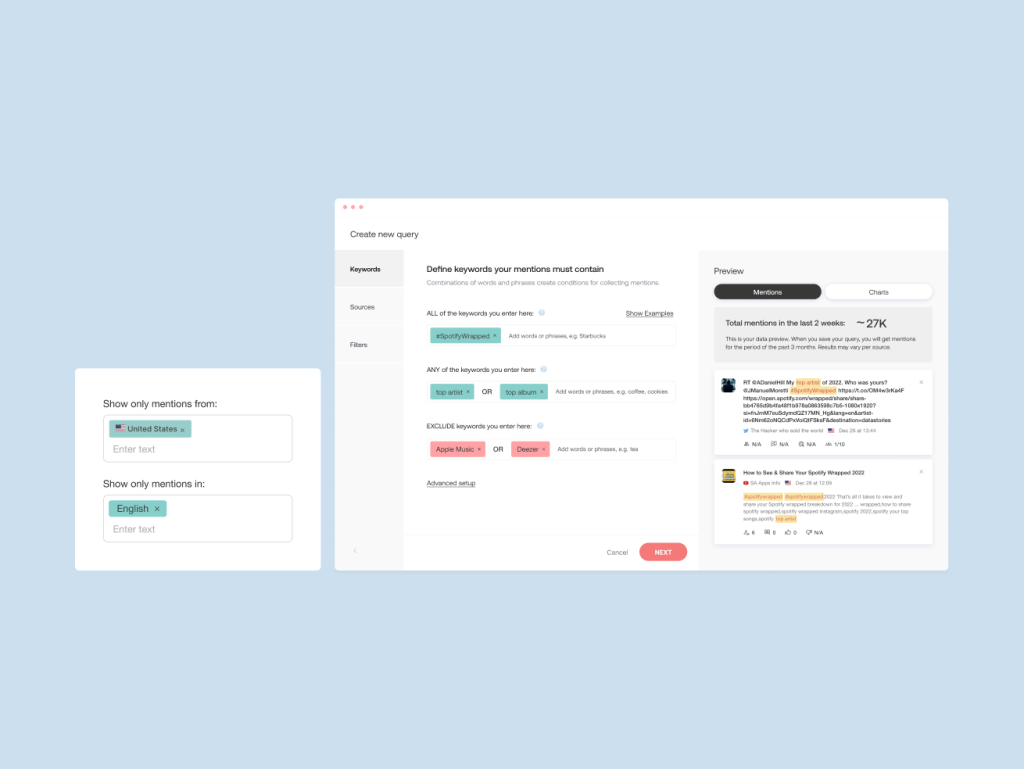
Finally, track the success of your PR effort to calculate your ROI and plan. Reporting costs may include analytics tools to track media coverage, audience engagement, and other KPIs. If your measurements are complicated, you may need software to simplify them.
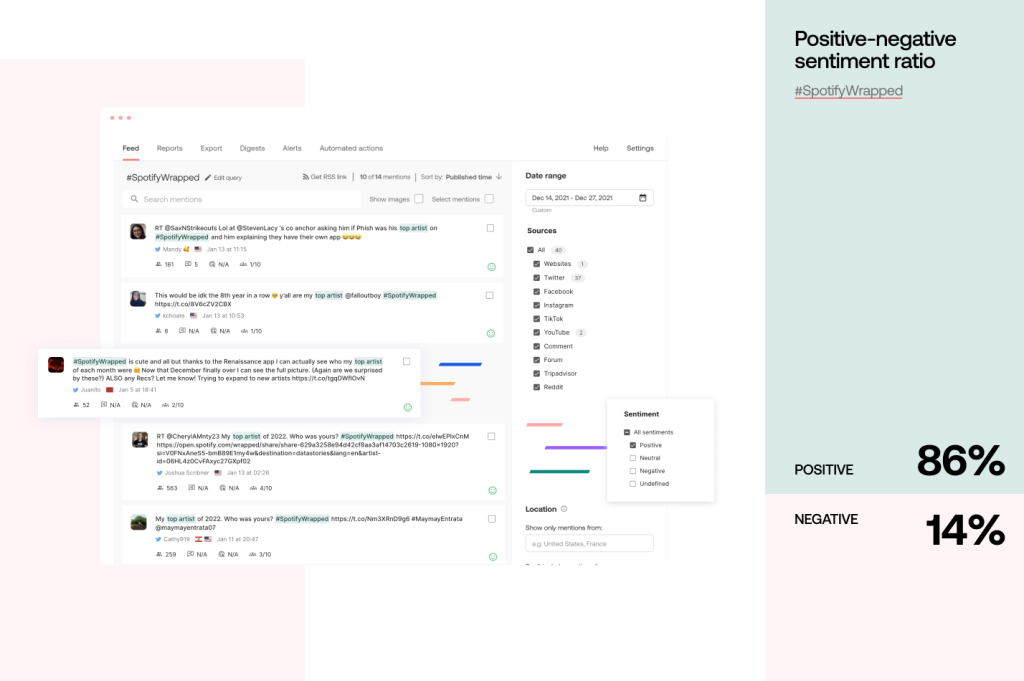
Simple solutions offer cheap reporting, whereas powerful analytics systems cost several hundred dollars a month. A great, cost-effective way to track your press coverage and maximize PR ROI is to use tools such as Determ.
Read Media Coverage Reports: Guide for PR Professionals
Dividing your PR costs into these categories can help you understand how your PR campaign budget is spent. When you know each of these factors, you’ll be able to allocate the right funds and reach your PR goals.
Conclusion
PR campaign costs vary greatly depending on your goals, scope, and approach. Considering the above criteria can help you budget for a short-term campaign or long-term PR strategy that will bring you a great ROI.
If you want to support your PR campaign further, make sure you make use of tools like Determ.
By understanding the relationship between PR costs, campaign goals, and available resources, you can make informed decisions about where to allocate your budget.


