Look, a branding crisis can hit any company, no matter how big or small.
Whether it’s a social media blunder, a product recall, or even negative press, the impact can be swift—and brutal.
💡 Read Crisis Management 101: How to Save Your Business When a Crisis Strikes
You might feel like your brand’s reputation is crumbling, and customers are losing trust fast. But here’s the good news: recovery is possible.
Now, you’re probably wondering, how do you bounce back from something like this? That’s exactly what I’m going to cover in this article.
I’ll walk you through proven strategies to help you recover from a branding crisis, rebuild your reputation, and regain customer trust.
So, let’s delve deeper and explore the steps you can take to turn things around.
1. Acknowledge the Crisis Immediately
When a branding crisis hits, the worst thing you can do is stay silent. Customers expect transparency; the faster you acknowledge the issue, the more control you have over the narrative.
But why is it so important to act quickly?
Customers expect brands to acknowledge a crisis within 24 hours. 76% of consumers want brands to respond within this timeframe, reflecting a significant shift towards quicker response expectations.

If you wait long to respond, you risk losing control of the narrative, allowing rumors and misinformation to spread. Delays can turn a manageable situation into a full-blown disaster.
People appreciate honesty, so when a crisis occurs, your audience wants to hear directly from you.
Acknowledging the issue right away shows that you’re not trying to sweep it under the rug or avoid taking responsibility.
Here’s the deal: the longer you wait, the more damage you do to your brand’s reputation. Customers may feel ignored and you may lose trust.
Taking ownership early gives you a better chance to manage the conversation and reassure your audience.
For a more structured approach, you can follow the steps of crisis communication, which offer valuable insights into managing and addressing the situation effectively.
Steps for Publicly Addressing the Issue
Now, how do you go about addressing the crisis publicly?
Start by issuing a clear, sincere statement across your major communication channels—social media, your website, or even an official press release.
Be transparent about what happened, and most importantly, outline the steps you’re taking to fix the problem.
The bottom line is customers appreciate a brand that’s willing to admit its mistakes and commit to making things right. Taking this step immediately sets the stage for recovery.
2. Apologize Sincerely and Take Responsibility
When a branding crisis unfolds, a sincere apology is one of the most powerful tools at your disposal. But you’re probably wondering, why is a heartfelt apology so crucial.
Well, consumers want to feel that their concerns are acknowledged, and an apology goes a long way in mending the relationship between your brand and its customers.
74% of consumers believe that if a brand offers a genuine apology after a mistake, they’re more likely to stay loyal.
That’s significant! Admitting fault and express genuine remorse shows your customers that you value their feelings.
So, how do you craft an apology that resonates with your audience?
First and foremost, be sincere. Avoid vague statements or corporate jargon. Instead, take a humane approach.
It makes a difference when your audience can connect with your message emotionally. A sincere apology is not just about saying the right words—it’s about rebuilding trust.
Take KFC, for example. In 2018, a supply chain issue led to the temporary closure of hundreds of its UK restaurants due to a chicken shortage.
Rather than ignoring the situation or offering a standard corporate apology, KFC went the extra mile with a creative and humorous response.
They released an ad featuring an empty chicken bucket with the brand logo rearranged to spell “FCK,” and a heartfelt apology (as seen in the image).
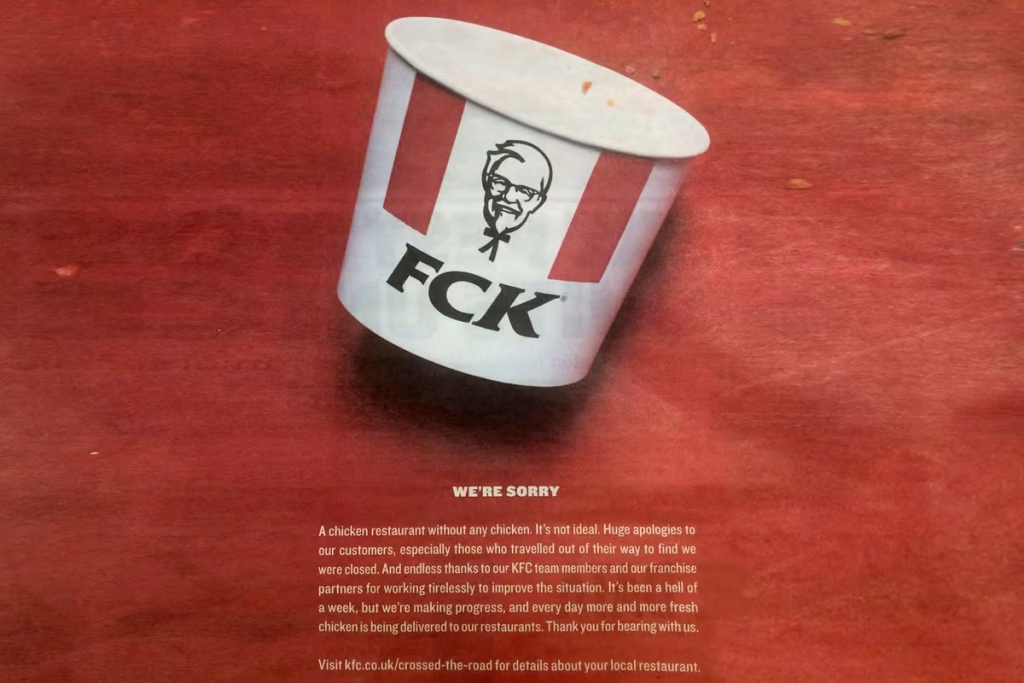
Image via Print Power
This blend of humor and sincerity resonated with its audience, and the brand quickly regained trust and goodwill.
Read 3 Powerful Good Crisis Management Examples
3. Engage Directly with Affected Audiences
When a crisis hits, engaging directly with your customers is vital. You might be wondering why direct engagement is essential. The answer is simple: customers want to feel heard and valued, especially during tough times.
One effective way to engage is through social media. Create a social media crisis plan and use the right tools to track customer feedback, respond promptly, and efficiently manage your online presence.
According to Attrock, some of the best social media management tools you can leverage to streamline your efforts and stay on top of customer concerns.
Here’s how you can do it:
- Respond Promptly: When customers voice their concerns, respond quickly. Acknowledging their comments shows you’re listening.
- Create Engaging Content: Share informative posts explaining the situation and highlighting your corrective actions. This keeps your audience in the loop and reinforces transparency.
For instance, a brand that leverages video monetization strategies can effectively convey its message through video updates, making it easier to connect with its audience personally.
Another powerful method is to hold public forums or Q&A sessions.
This allows customers to voice their concerns directly and get real-time answers from your team. Inviting dialogue can demonstrate your commitment to transparency and rebuild trust.
Additionally, integrating a ticketing system into the website can help manage customer queries efficiently. It allows customers to submit their concerns, which are then tracked and prioritized for crisis response.
4. Implement Corrective Actions
When a branding crisis occurs, simply acknowledging the issue and apologizing isn’t enough.
So, what comes next?
Implementing corrective actions is crucial to demonstrate your commitment to improvement.
First, conducting a thorough investigation is essential to understand what went wrong. This involves analyzing internal processes, gathering feedback from affected customers, and identifying gaps that contributed to the crisis.
Once you’ve identified the root cause, communicate your corrective actions clearly to your audience.
Let them know what steps you are taking to ensure that similar issues do not happen again. For example, if training is involved, share that you’re implementing additional training for your staff.
Here’s the deal: being transparent about your corrective actions instills confidence in your audience.
5. Rebuild Trust with Customers
Rebuilding trust is a long-term commitment that goes beyond quick fixes.
But how can you regain your customers’ trust effectively?
Well, the answer lies in consistency and genuine efforts to improve. One effective strategy is to offer compensation or special deals to affected customers, such as discounts or free services.
Interestingly, research shows that consumers who receive compensation are more likely to return and recommend your brand.
In addition, staying connected and attentive to your customers’ needs is essential.
Combining this with showcasing positive customer testimonials can further reinforce the value of your brand and demonstrate your commitment to customer satisfaction.
6. Reinforce Brand Values Through Strong Messaging
After a crisis, it’s essential to reaffirm your brand’s core values and mission. You might be thinking, how does this relate to recovery?
Reinforcing your brand values helps remind your audience why they chose you in the first place. Take the time to reflect on your brand’s mission statement and values.
Use your communication channels to remind customers what your brand stands for and how those values guide your actions, especially during challenging times.
Next, ensure that your messaging is consistent and positive across all platforms. This helps regain trust and sets a clear direction for your brand.
Customers appreciate consistency, and by delivering a unified message, you reinforce your commitment to your core values.
7. Monitor Brand Perception Continuously
Once you’ve navigated a crisis, the work doesn’t stop there. You might be wondering how to prevent similar issues in the future.
Continuous monitoring of brand perception is crucial. Investing in brand monitoring tools lets you keep a pulse on what customers say about your brand and their level of brand awareness.
These tools help identify potential issues before they escalate, enabling proactive solutions.
But that’s not all—conducting regular brand audits can provide valuable insights into your brand’s health. This includes reviewing customer feedback and analyzing engagement metrics.
Remember, direct engagement fosters a sense of community around your brand, which is essential for maintaining brand awareness.
Final Words
Recovering from a branding crisis may seem daunting, but it’s achievable with the right strategies.
So, what’s key here? Start by acknowledging the crisis, offering a sincere apology, and engaging directly with your audience. These steps help rebuild trust and restore your brand’s reputation.